

In short: Liposuction removes fat through small incisions using a thin cannula after the area is infiltrated with fluid. It reshapes areas of stubborn fat in people close to a stable weight, but it does not tighten loose skin and is not a weight-loss treatment.
Liposuction is a commonly performed body contouring procedure in Australia that removes localized areas of fat. It may alter body shape and proportions, but it is important to understand its potential effects and limitations.
Dr Rohit Kumar, Specialist Plastic Surgeon based in Sydney, performs liposuction as part of his range of body contouring procedures. This guide explains how liposuction works, what to expect, and the limits of the procedure so you can make an informed decision.
Understanding Liposuction
Liposuction, also called suction-assisted lipectomy, is a surgical procedure that removes fat from specific areas of the body. It’s most effective for people close to their ideal weight who have stubborn fat deposits in areas such as the abdomen, thighs, hips, arms, or neck.
During the procedure, fat is loosened and gently removed through a small cannula (a narrow tube) connected to suction. This allows for targeted contouring of the treated area.
xLiposuction may be performed as a standalone procedure or combined with other surgeries such as abdominoplasty or breast reduction to achieve balanced results.
How Does Liposuction Work?
Liposuction is intended to remove fat cells from specific areas to alter body contour. It is not a weight-loss procedure and is used for areas of fat that are resistant to diet and exercise.
Here’s a step-by-step look at how liposuction works:
- Consultation and Planning
Before surgery, Dr Kumar conducts a detailed consultation to assess your goals, review your medical history, and discuss realistic outcomes. You’ll talk about the areas you’d like to address, and Dr Kumar will explain whether liposuction is appropriate for you. - Anaesthesia
Liposuction is performed under general anaesthesia in an accredited hospital for comfort and safety. Smaller procedures may occasionally be done under local anaesthesia with sedation, depending on the treatment area. - Marking and Incisions
Dr Kumar marks the areas to be treated before surgery. Small incisions, usually just a few millimetres long, are made in discreet locations near the target area. - Fat Removal
A sterile fluid known as tumescent solution is injected into the treatment area to reduce bleeding and assist fat removal. A thin cannula is then inserted through the small incisions, and controlled suction removes the loosened fat cells. - Closing and Recovery
The incisions are closed with dissolvable sutures or left open to drain, depending on the technique used. A compression garment is applied to help reduce swelling and support the new contour during recovery.
What Liposuction Can and Can’t Do
Many people have misconceptions about what liposuction achieves. Understanding its benefits and limitations will help you make a clear, informed decision.
What Liposuction Can Do
- Reduce localised fat deposits that haven’t responded to diet and exercise.
- Improve body proportion by refining areas such as the abdomen, thighs, hips, or chin.
- Enhance contouring when combined with procedures such as abdominoplasty (tummy tuck).
- Provide permanent fat removal, as the treated fat cells do not return once removed.
What Liposuction Cannot Do
- Liposuction is not a weight-loss procedure.
- It does not treat cellulite or skin dimpling.
- It cannot tighten loose or excess skin—if skin laxity is significant, additional procedures like abdominoplasty may be required.
- It does not address stretch marks, as these are changes in the skin itself.
Dr Kumar emphasises that liposuction works best for patients close to their healthy weight who want to refine specific areas, rather than those seeking an overall reduction in body size.
Common Areas Treated with Liposuction
Liposuction can target various regions depending on your body type and goals. Common treatment areas include:
- Abdomen and flanks
- Thighs and hips
- Upper arms
- Buttocks
- Neck and under the chin
- Back and bra-line region
- Knees or inner thighs
Sometimes, multiple areas can be treated in a single procedure, depending on your health, body type, and overall goals.
Who Is a Good Candidate for Liposuction?
You may be a good candidate for liposuction if you:
- Are in good general health
- Have localised fat deposits that don’t respond to diet or exercise
- Have firm, elastic skin that will contract after fat removal
- Maintain a stable weight
- Have realistic expectations about what surgery can achieve
Liposuction may also be used in combination with post-weight-loss body contouring procedures to refine remaining areas after significant weight change.
Recovery and Aftercare
Recovery from liposuction varies depending on the size and number of treated areas. Dr Kumar will provide a personalised aftercare plan to guide you through recovery.
Immediately after surgery:
- You’ll wear a compression garment for several weeks to help control swelling and support healing.
- Most patients can return home the same day.
First 1–2 weeks:
- Expect mild swelling and bruising.
- Walking and light activity are encouraged soon after surgery to support circulation.
- Avoid strenuous activity until cleared by Dr Kumar.
Weeks 3–6:
- Swelling gradually subsides, and the new contours begin to take shape.
- You may return to exercise and full activities once cleared.
Results typically become more visible over three to six months as residual swelling resolves. Following a stable diet and regular exercise will help maintain long-term results.
Risks and Considerations
As with all surgery, liposuction involves risks, which Dr Kumar will discuss in detail during your consultation. These may include:
- Infection
- Fluid accumulation (seroma)
- Irregular contour or asymmetry
- Scarring
- Temporary numbness or changes in skin sensation
- Blood clots or delayed wound healing
Choosing a Specialist Plastic Surgeon ensures that your procedure is performed in an accredited facility with qualified anaesthetic and surgical care.
Cost of Liposuction in Sydney
The cost of liposuction depends on the size and number of treatment areas, the surgical technique, anaesthetic time, and hospital fees. After your consultation, you will receive a detailed, itemised quote outlining all associated costs, including surgeon, anaesthetist, and facility fees.
Liposuction performed for cosmetic reasons is not covered by Medicare or private health insurance. In certain medically indicated cases—such as reconstructive procedures—there may be an applicable Medicare Benefits Schedule (MBS) item number, which Dr Kumar can discuss with you if relevant.
For more information, visit our cost information page.
Frequently Asked Questions
Does liposuction remove cellulite?
No. Liposuction targets fat beneath the skin, not the surface irregularities that cause cellulite.
Can liposuction help me lose weight?
Liposuction is not a weight-loss procedure. It is intended to refine specific areas of fat that persist despite a healthy lifestyle.
Will I have scars after liposuction?
Small incisions are made to insert the cannula. These are typically placed in discreet locations and usually fade over time.
When will I see results?
Early changes may be visible within a few weeks, but final results develop over several months as swelling subsides.
Can I combine liposuction with other procedures?
Yes, liposuction is often combined with other surgeries such as tummy tuck (abdominoplasty), breast reduction, or thigh lift, depending on your goals.
Learn More
To find out more about how liposuction works and whether it’s right for you, contact Dr Rohit Kumar’s clinic in Sydney.
Dr Kumar and his team can provide a comprehensive consultation to discuss your goals, options, and treatment plan in detail.
Disclaimer:
This information is general and does not replace medical advice from a qualified health practitioner. Results and recovery vary. All surgery carries risks, which will be discussed in detail during consultation with Dr Kumar.
Next steps
Read more about liposuction, or download Dr Kumar’s liposuction guide below. To talk to Dr Kumar’s team, request a call back or call 1300 267 726.
All surgery carries risk and individual results vary. Read the risks and considerations of surgery before deciding. This article is general information, not medical advice.
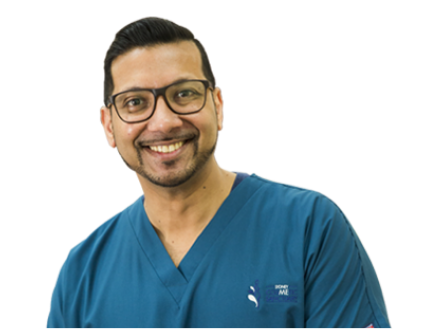
Specialist Plastic Surgeon in Sydney