

Significant weight loss, whether through bariatric surgery or lifestyle change, is a major achievement. However, many people are left with excess skin after weight loss, especially on the arms and thighs. This skin may hang, fold, or cause discomfort, making daily activities and clothing choices difficult.
Arm lift (brachioplasty) and thigh lift surgery can address these concerns by removing excess skin and reshaping the upper arms or upper legs. These procedures are often part of post-weight loss skin removal plans for patients who have reached a stable weight and want to improve comfort as well as proportion.
Dr Rohit Kumar, Specialist Plastic Surgeon in Sydney, performs arm and thigh lift surgery for patients experiencing excess skin on the arms and thighs after weight loss. This comprehensive guide outlines what the procedures involve, who may be suitable, expected recovery, risks, and frequently asked questions.
Why Excess Skin Develops After Massive Weight Loss
When the body gains weight, the skin stretches to accommodate increased volume. After losing a large amount of weight, the skin may not fully retract—especially if it has been stretched for many years. The result can be:
- Excess skin on arms after weight loss
- Excess skin on thighs after weight loss
- Skin irritation or chafing in folds
- Hygiene difficulties in skin creases
Arms and thighs are among the most common areas affected because these regions naturally store fat and have varied skin elasticity.
Arm Lift Surgery (Brachioplasty)
An arm lift, or brachioplasty, removes excess skin and reshapes the upper arm from the elbow to the underarm area. Many patients notice that weight loss leaves the arms looking deflated or causing the skin to sag.
What an Arm Lift Can Address
- Loose skin hanging from the upper arm
- Reduced arm contour due to stretched skin
- Rashes or irritation from skin rubbing
- Discomfort during exercise
How Arm Lift Surgery Works
An arm lift typically involves:
- Marking the Extra Skin
Dr Kumar assesses how much skin should be removed along the inner arm. - Incision Placement
Incisions are typically made along the inner or back side of the arm so they are less visible. - Removing Excess Skin
The redundant skin is trimmed, and tissue is tightened for a smoother contour. - Closing the Incisions
Dissolving sutures are used, and the area is dressed in a compression garment.
This is performed under general anaesthesia in an accredited private hospital.
Thigh Lift Surgery
A thigh lift reduces excess skin on the inner or outer thighs. After major weight loss, the thighs may show significant sagging, especially on the inner aspect where skin is naturally thinner.
What a Thigh Lift Can Address
- Excess skin on thighs after weight loss
- Sagging skin that causes rubbing or chafing
- Folds that trap moisture and lead to irritation
- Difficulty with shorts, swimwear, and fitted pants
- Discomfort when walking or exercising
How Thigh Lift Surgery Works
A thigh lift may include:
- Incision along the Inner Thigh
Typically from the groin down toward the knee, depending on the amount of excess skin. - Removing Excess Skin and Fat
The remaining skin is tightened to create a more defined contour. - Compression Garments
These support healing and reduce swelling during recovery.
Most thigh lift procedures are performed under general anaesthesia.
Who Is a Good Candidate?
You may be a suitable candidate for an arm or thigh lift if:
- You have excess skin on arms or thighs after weight loss
- Your weight has been stable for at least 6–12 months
- You are in good general health
- You have realistic expectations
- You experience skin irritation, rashes, or difficulty maintaining hygiene
Final suitability can only be determined during a consultation after an assessment of individual anatomy and medical history.
These procedures are commonly performed as part of a staged surgical plan for post-weight loss patients, along with operations such as abdominoplasty (tummy tuck) or body lift.
Treatment Areas and Types of Procedures
Arm Lift Variations
- Standard Brachioplasty: Incision from underarm to elbow.
- Extended Brachioplasty: Extends onto the chest wall for significant skin excess.
- Short-Scar Brachioplasty: Suitable for mild cases, with limited results.
- Combination with Liposuction: Used to refine contour where needed.
Thigh Lift Variations
- Inner Thigh Lift: Tightens skin along the inner thighs.
- Vertical Thigh Lift: For patients with substantial vertical skin excess.
- Outer Thigh Lift: Often combined with lower body lift.
- Liposuction Assistance: Helps contour areas where skin elasticity is good.
Dr Kumar recommends the most appropriate approach after assessing the amount and distribution of skin laxity.
What to Expect During Surgery
Both procedures are performed under general anaesthesia. The length of surgery varies—typically 2–3 hours for an arm lift and 3–4 hours for a thigh lift, depending on complexity.
On the day of surgery:
- You arrive at an accredited private hospital
- Pre-operative markings are made
- Anaesthesia is administered
- Surgery is performed
- Dressings and compression garments are applied
- You may go home the same day or stay overnight, depending on your procedure
Recovery Timeline
Recovery varies based on the amount of excess skin removed and any additional procedures performed.
Arm Lift Recovery
Week 1–2:
- Bruising and swelling are expected
- Compression garment worn day and night
- Avoid lifting arms above shoulder level
Week 3–4:
- Many patients may be able to resume light activities
- Stitches typically dissolve naturally
- Discomfort gradually decreases
Week 6+:
- Exercise and full movement permitted after clearance
Thigh Lift Recovery
Week 1–2:
- Walking carefully is encouraged
- Compression garment worn continuously
- Bruising and swelling gradually reduce
Week 3–4:
- Mobility improves
- Some patients may be able to return to sedentary work
- Avoid stretching the thighs excessively
Week 6+:
- Gradual return to exercise
- Final results begin to show as swelling settles
Patients should avoid smoking, maintain good nutrition, and follow post-operative instructions to support wound healing and reduce complications.
Scarring and Long-Term Outcomes
Scarring is inevitable for both arm and thigh lifts, but incisions are placed strategically to minimise visibility:
- Arm lift scars lie along the inner arm where they are less visible.
- Thigh lift scars sit in the groin or inner thigh crease, depending on the technique.
Scars may fade gradually over time, although the degree of fading varies between individuals. Protecting them from sun exposure and following scar-care instructions helps improve their appearance over time.
How Long Do Results Last?
Results are long-lasting when weight remains stable. Ageing, lifestyle, and natural changes in skin elasticity will continue, but most patients enjoy significant and durable improvements in comfort and contour.
Risks and Considerations
All surgery carries risks. Possible complications include:
- Infection
- Bleeding
- Delayed wound healing
- Fluid accumulation (seroma)
- Scarring
- Asymmetry
- Changes in skin sensation
- DVT or anaesthetic-related risks
Dr Kumar discusses these in detail during consultation so patients can make informed decisions.
Cost Overview
Costs depend on:
- Extent of excess skin
- Surgical time
- Anaesthetist and hospital fees
- Whether other procedures are combined
An itemised quote is provided after consultation.
Some patients may be eligible for Medicare rebates or private health fund contributions if strict criteria are met—for example, if excess skin causes rashes or functional difficulties.
Frequently Asked Questions
Will arm or thigh lift surgery help with excess skin after major weight loss?
Yes. These procedures specifically target loose skin on the arms and thighs.
Can both surgeries be done together?
Sometimes, depending on safety considerations, but many patients undergo them in stages.
How long do I need to wear compression garments?
Most patients need to wear them for 6–8 weeks.
Will the scars be noticeable?
Scars are placed in the least visible areas possible. They fade over time but are permanent.
When can I return to work?
Desk-based work usually resumes within 2–3 weeks; physical work may require longer.
Is liposuction included?
It may be added to contour specific areas if skin elasticity is suitable.
Learn More
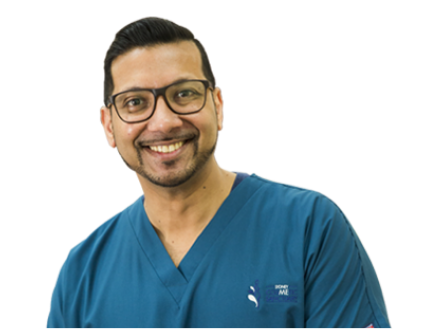
Dr Rohit Kumar (MED0001630444) is a Specialist Plastic Surgeon with over 20 years of surgical experience. During your consultation, Dr Kumar will assess your needs and discuss the approaches that may be appropriate for you. His professional team provides care from your first enquiry through every stage of recovery.
Specialist Plastic Surgeon in Sydney


